
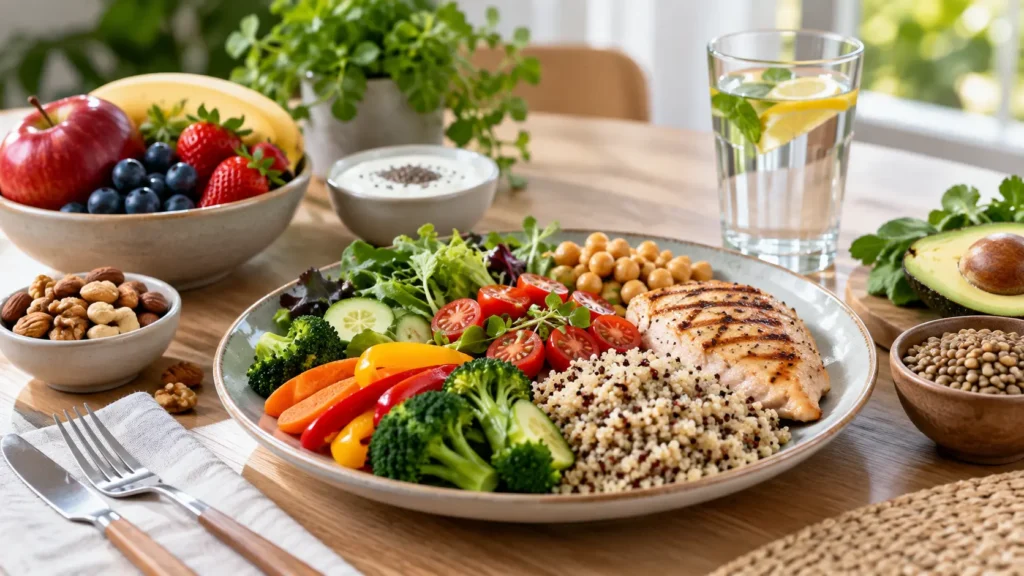
Eating well does not have to mean following a complicated diet or avoiding your favorite foods. A balanced diet is mainly about giving your body a variety of nutritious foods in appropriate amounts.
Your body needs different nutrients to support energy, growth, normal body functions, and overall well-being. No single food can provide everything your body needs, which is why variety is an important part of healthy eating.
In this guide, we will explain what a balanced diet means, the main food groups to include, and simple ways to make healthier food choices in everyday life.
What Is a Balanced Diet?
A balanced diet is an eating pattern that includes a variety of foods from different food groups and provides the nutrients your body needs.
These nutrients include carbohydrates, protein, healthy fats, vitamins, minerals, fiber, and water.
The exact amount of each nutrient a person needs can vary depending on factors such as age, activity level, health status, and individual needs. Therefore, there is no single meal plan that is suitable for everyone.
Instead of focusing on one specific food, a balanced approach focuses on overall eating habits.
Why Is a Balanced Diet Important?
Food provides the energy and nutrients your body needs to function normally. A varied and balanced eating pattern can help support general health and well-being.
A balanced diet can help you:
- Get a variety of essential nutrients
- Maintain normal energy levels
- Support healthy digestion
- Support normal immune function
- Maintain healthy bones and muscles
- Support healthy growth and development
- Maintain a healthy body weight when combined with an appropriate lifestyle
Eating a balanced diet is only one part of a healthy lifestyle. Regular physical activity, adequate sleep, stress management, and other healthy habits also matter.
The Main Components of a Balanced Diet
1. Fruits and Vegetables
Fruits and vegetables provide important vitamins, minerals, fiber, and other naturally occurring compounds.
Try to include a variety of colors and types throughout the week. Fresh, frozen, and appropriately prepared vegetables can all be part of a healthy eating pattern.
Examples include:
- Apples
- Bananas
- Oranges
- Berries
- Tomatoes
- Carrots
- Spinach
- Broccoli
- Cauliflower
- Bell peppers
Instead of focusing on one “superfood,” aim for variety.
2. Whole Grains and Other Sources of Carbohydrates
Carbohydrates are an important source of energy. Choosing whole-grain and minimally processed carbohydrate sources more often can also help increase fiber intake.
Examples include:
- Oats
- Brown rice
- Whole-grain bread
- Whole-wheat roti
- Quinoa
- Barley
- Millets
The appropriate amount of carbohydrates can differ from person to person, so there is no need to completely eliminate them from your diet unless a healthcare professional has recommended a specific dietary approach.
3. Protein-Rich Foods
Protein helps your body build and maintain muscles and other tissues.
Common protein sources include:
- Beans
- Lentils
- Chickpeas
- Peas
- Eggs
- Fish
- Chicken
- Milk and yogurt
- Tofu
- Nuts and seeds
Plant-based and animal-based protein sources can both be part of a balanced eating pattern.
4. Healthy Sources of Fat
Fat is also an important nutrient. Your body needs certain fats for normal functions, but the type and overall amount of fat matter.
Sources of unsaturated fats include:
- Nuts
- Seeds
- Avocados
- Olive oil
- Certain vegetable oils
- Fatty fish
This does not mean that every food containing fat needs to be avoided. A healthier approach is to consider the overall quality and variety of your diet.
5. Dairy or Suitable Alternatives
Milk, yogurt, and other dairy foods can provide nutrients such as protein and calcium.
People who do not consume dairy can choose suitable fortified alternatives, depending on their dietary preferences and nutritional needs.
When choosing packaged alternatives, checking the nutrition label can help you compare products.
6. Water
Water is essential for normal body functions and maintaining hydration.
Individual fluid needs vary depending on factors such as activity, weather, diet, and health conditions. Drinking water regularly throughout the day is a simple way to support hydration.
How to Build a Balanced Meal
You do not need to calculate every nutrient in every meal.
A simple approach is to include different food groups in your meals.
For example, a meal could contain:
Vegetables + a protein source + a whole-grain or other carbohydrate source + a source of healthy fat
Some simple meal ideas include:
- Vegetable curry with dal and roti
- Brown rice with vegetables and grilled fish
- Chickpea salad with vegetables and yogurt
- Oatmeal with fruit, nuts, and yogurt
- Vegetable stir-fry with tofu and rice
These are examples rather than strict meal plans. Your food choices should also consider your personal preferences, cultural eating habits, budget, and nutritional needs.
Does Healthy Eating Mean Giving Up Your Favorite Foods?
Not necessarily.
Healthy eating is generally about your overall dietary pattern rather than achieving perfection with every meal.
You can enjoy foods that are higher in sugar, salt, or saturated fat occasionally while still maintaining a generally nutritious eating pattern.
A practical goal is to make nutrient-rich foods the foundation of your diet and enjoy less nutritious foods in moderation.
Simple Tips for Eating a More Balanced Diet
Here are a few practical habits you can try:
Add More Variety
Try different fruits, vegetables, grains, legumes, nuts, and protein sources instead of eating the same foods every day.
Include Vegetables in Main Meals
Adding vegetables to lunch and dinner can make meals more nutrient-dense and increase your fiber intake.
Choose Whole Grains More Often
Where practical, choose whole-grain options such as oats, brown rice, whole-wheat bread, or whole-wheat roti.
Include a Protein Source
Adding beans, lentils, eggs, fish, dairy, tofu, nuts, or other protein-rich foods can make meals more satisfying and nutritionally varied.
Limit Highly Processed Foods
Many highly processed foods can be high in added sugars, sodium, or unhealthy fats. Try to make minimally processed and nutrient-rich foods a regular part of your meals.
Read Nutrition Labels
For packaged foods, checking the ingredient list and nutrition information can help you make informed choices.
Avoid Extreme Diet Rules
Very restrictive diets are not necessary for everyone. Sustainable eating habits are generally easier to maintain than extreme short-term approaches.
Is a Balanced Diet the Same for Everyone?
No.
Nutritional needs can vary based on age, sex, activity level, pregnancy status, medical conditions, allergies, medications, and other individual factors.
For example, someone with diabetes, kidney disease, food allergies, or another medical condition may need specific dietary guidance.
If you have a medical condition or have been advised to follow a particular diet, speak with a qualified healthcare professional or registered dietitian for advice suited to your situation.
Key Takeaways
A balanced diet is not about eating perfectly or following a strict diet plan.
It is about regularly including a variety of nutritious foods and getting the nutrients your body needs.
Remember these basic principles:
- Eat a variety of foods.
- Include fruits and vegetables regularly.
- Choose whole grains and other nutritious carbohydrate sources.
- Include adequate protein from suitable sources.
- Choose healthier sources of fat.
- Drink enough fluids to stay hydrated.
- Limit highly processed foods and excessive added sugar or sodium.
- Avoid extreme dietary restrictions unless medically recommended.
- Consider your individual nutritional needs.
Small, consistent improvements to your eating habits can be more practical than trying to completely change your diet overnight.
Frequently Asked Questions
What is the simplest definition of a balanced diet?
A balanced diet is an eating pattern that includes a variety of nutritious foods from different food groups in appropriate amounts to help meet the body’s nutritional needs.
Do I need to stop eating carbohydrates?
No. Carbohydrates are an important source of energy. The type and amount that are appropriate can vary between individuals. Choosing nutrient-rich carbohydrate sources more often can be part of a balanced diet.
Can I eat snacks while following a balanced diet?
Yes. Snacks can be part of a balanced eating pattern. Choosing options such as fruit, yogurt, nuts, or other nutrient-rich foods can be useful, depending on your individual needs.
Is a vegetarian diet capable of being balanced?
Yes. A vegetarian eating pattern can provide many important nutrients when it includes a suitable variety of vegetables, fruits, legumes, whole grains, nuts, seeds, and other appropriate foods. Individual nutritional needs should still be considered.
Should everyone follow the same diet?
No. Nutritional needs differ between individuals. People with specific medical conditions, allergies, or dietary requirements should seek personalized advice from a qualified healthcare professional.
Health Disclaimer
This article is provided for general health education and awareness. It is not intended to diagnose, treat, cure, or prevent any disease or medical condition. Nutritional needs vary from person to person. If you have a medical condition or specific dietary concerns, consult a qualified healthcare professional or registered dietitian for personalized guidance.
References & Sources
The information in this article was prepared using reliable health and nutrition resources, including:
- World Health Organization (WHO) — Healthy Diet
- NHS (National Health Service) — Eating a balanced diet
Note: References are provided for educational purposes. Koshika AI summarizes information from these sources in its own words and does not reproduce their content.