

Have you ever received a cholesterol blood test and wondered what LDL, HDL, triglycerides, and total cholesterol actually mean? Or perhaps you’ve searched for high cholesterol symptoms because you’re concerned about your heart health.
High cholesterol is common, but it can be difficult to recognize because it usually does not cause noticeable symptoms. A simple blood test called a lipid panel can show your cholesterol levels and help a healthcare professional understand your cardiovascular risk.
According to the World Health Organization’s September 2026 update, an estimated 39% of adults worldwide have raised total cholesterol. WHO also identifies abnormal blood lipids as an important modifiable risk factor for cardiovascular disease.
The good news is that understanding your cholesterol numbers can help you make informed decisions about your health.
In this guide, we’ll explain what high cholesterol means, LDL vs HDL, triglycerides, possible causes and risk factors, whether high cholesterol has symptoms, how cholesterol is tested, foods that can affect cholesterol, and practical ways to support healthier cholesterol levels.
Important: High cholesterol cannot reliably be diagnosed from symptoms. A blood test and professional interpretation are needed.
What Is Cholesterol?
Cholesterol is a waxy, fat-like substance that your body needs for important functions.
Your body uses cholesterol for processes such as making certain hormones and supporting cell membranes. Your liver produces cholesterol, and cholesterol can also enter the body through foods from animal sources.
The problem isn’t cholesterol itself.
The concern is when certain blood lipid levels become unhealthy, particularly when LDL cholesterol remains elevated over time.
High LDL cholesterol can contribute to plaque buildup inside arteries. This process, called atherosclerosis, can increase the risk of cardiovascular problems such as heart attack and stroke.
LDL vs HDL: What’s the Difference?
If you’ve ever searched “LDL vs HDL” or wondered about “good cholesterol” and “bad cholesterol,” you’re not alone.
LDL Cholesterol
LDL stands for low-density lipoprotein.
It is commonly called “bad cholesterol” because higher levels of LDL can contribute to plaque buildup in artery walls and increase cardiovascular risk.
HDL Cholesterol
HDL stands for high-density lipoprotein.
It is often called “good cholesterol” because HDL helps transport cholesterol back toward the liver. However, HDL should not be interpreted by itself as a simple measure of heart health.
In simple terms:
LDL: Higher levels can contribute to plaque buildup.
HDL: Helps transport cholesterol back toward the liver.
Triglycerides: Another type of fat carried in your blood.
Your healthcare professional considers these numbers together with your age, medical history, blood pressure, smoking status, family history, and other cardiovascular risk factors.
What Are Triglycerides?
Triglycerides are another type of fat found in your blood.
Your body uses triglycerides to store energy. However, high triglyceride levels can become a concern, particularly when they occur together with high LDL or low HDL cholesterol.
Triglycerides can be affected by factors such as:
- Weight changes
- Physical inactivity
- Alcohol consumption
- Diet
- Certain medical conditions
- Genetics
Your lipid panel normally includes triglycerides along with LDL, HDL, and total cholesterol.
Does High Cholesterol Have Symptoms?
This is one of the most important things to know about high cholesterol symptoms:
Usually, no.
Most people with high cholesterol do not feel anything unusual.
You could have elevated cholesterol while feeling completely healthy, energetic, and physically normal.
That’s why searching for “signs of high cholesterol” can be misleading. Symptoms alone cannot tell you whether your cholesterol is high. A blood test is the reliable way to check your levels.
In some cases, people with certain inherited cholesterol disorders can develop physical signs, but these are not typical for everyone with high cholesterol.
Can You Have High Cholesterol Without Knowing?
Yes.
This is why high cholesterol is often described as a silent health problem.
There may be no headache, tiredness, stomach discomfort, or other obvious warning that your cholesterol level is elevated.
The CDC states that the only way to know whether you have high cholesterol is to have your cholesterol checked through a blood test.
Regular health checks can therefore be useful, especially if you have risk factors such as:
- Family history of high cholesterol
- High blood pressure
- Diabetes
- Overweight or obesity
- Smoking
- Low physical activity
- An unhealthy eating pattern
- Certain inherited conditions
What Causes High Cholesterol?
There isn’t always one single cause.
Your cholesterol levels can be influenced by genetics, diet, physical activity, body weight, age, medications, and other health conditions.
1. Diet High in Saturated Fat
Foods high in saturated fat can contribute to higher LDL cholesterol.
Examples can include fatty meats, some full-fat dairy products, butter, and foods made with certain tropical oils.
This doesn’t mean you need to eliminate every source of fat. Instead, focus on the overall quality and balance of your diet.
2. Too Much Trans Fat
Trans fats can negatively affect cholesterol levels and cardiovascular health.
Reducing foods containing industrial trans fats is an important part of a heart-healthy eating pattern.
3. Physical Inactivity
Not getting enough physical activity can contribute to an unhealthy cholesterol profile.
Regular physical activity can help improve LDL and HDL levels and support overall cardiovascular health.
You can read our guide to Physical Activity: Simple Ways to Stay Active and Support Your Health for practical ideas.
4. Being Overweight
Overweight and obesity can be associated with higher LDL cholesterol and other unfavorable changes in blood lipids.
Healthy weight management is therefore one part of overall cholesterol management.
5. Smoking
Smoking can lower HDL cholesterol and increase cardiovascular risk.
Quitting tobacco is beneficial for heart and blood-vessel health.
6. Family History
Genetics can play an important role.
Some people inherit conditions such as familial hypercholesterolemia, which can cause very high LDL cholesterol from a young age. WHO estimates that familial hypercholesterolemia affects approximately 1 in 250 to 1 in 300 people worldwide.
If several close family members have very high cholesterol or early heart disease, discussing your family history with a healthcare professional may be useful.
7. Age
Cholesterol levels can change as people get older, and cardiovascular risk generally increases with age.
That’s one reason cholesterol screening becomes an increasingly important part of preventive health.
8. Certain Health Conditions
Some medical conditions can affect cholesterol and triglyceride levels.
For example, diabetes and obesity are associated with higher risk of unhealthy cholesterol levels.
If you have an existing health condition, your healthcare professional can explain how it may affect your cholesterol profile.
What Are Normal Cholesterol Levels?
You may have searched “normal cholesterol levels” or “what should my cholesterol be?”
The answer isn’t as simple as one number that applies to everyone.
A lipid panel typically reports:
- Total cholesterol
- LDL cholesterol
- HDL cholesterol
- Triglycerides
The American Heart Association notes that total cholesterol below 200 mg/dL has traditionally been considered desirable as a general screening measure, but total cholesterol should not be interpreted by itself or treated as the sole target. Individual targets depend on overall cardiovascular risk.
The CDC lists approximately:
| Cholesterol Measure | General Reference |
|---|---|
| Total cholesterol | About 150 mg/dL is considered optimal |
| LDL cholesterol | About 100 mg/dL is considered optimal |
| HDL cholesterol | At least 40 mg/dL in men and 50 mg/dL in women |
| Triglycerides | Less than 150 mg/dL |
These numbers are general reference values, not personalized treatment targets. Your healthcare professional may use different goals depending on your health history and cardiovascular risk.
What Is a Cholesterol Blood Test?
A cholesterol blood test is commonly called a lipid panel or lipid profile.
It typically measures:
Total Cholesterol
The overall amount of cholesterol in your blood.
LDL Cholesterol
Often called “bad cholesterol.” Higher LDL can contribute to plaque buildup.
HDL Cholesterol
Often called “good cholesterol.”
Triglycerides
A type of fat used by your body for energy.
Depending on the test and your healthcare provider’s instructions, you may or may not need to fast beforehand. Follow the specific instructions given for your test.
Foods That Can Raise Cholesterol
When people search “foods that raise cholesterol,” they often expect a simple list of foods to completely avoid.
It’s more useful to look at the overall dietary pattern.
Foods high in saturated fat can contribute to higher LDL cholesterol. Examples may include:
- Fatty cuts of meat
- Processed meats
- Butter
- Some full-fat dairy products
- Certain baked foods
- Foods made with palm or coconut oil
The CDC recommends limiting foods high in saturated and trans fats while choosing more nutrient-dense foods such as fruits, vegetables, whole grains, seafood, and lower-fat dairy options.
Foods That Support Healthy Cholesterol
A heart-healthy eating pattern can include:
- Vegetables
- Fruits
- Whole grains
- Beans
- Lentils
- Nuts
- Seeds
- Fish
- Lean protein
- Foods rich in dietary fiber
- Unsaturated fats
The American Heart Association recommends emphasizing vegetables, fruits, whole grains, beans, nuts, seeds, unsaturated fats, and lean proteins as part of an overall heart-healthy eating pattern.
This fits naturally with our guide to Dietary Fiber: Benefits, Food Sources, and How to Get More.
How to Lower LDL Cholesterol Naturally
The phrase “how to lower LDL naturally” is popular, but lifestyle changes should be viewed realistically.
There isn’t one magic food, drink, supplement, or home remedy that automatically fixes high cholesterol.
Instead, focus on several sustainable habits.
1. Eat More Fiber-Rich Foods
Beans, lentils, vegetables, fruits, oats, whole grains, nuts, and seeds can help create a more heart-friendly eating pattern.
2. Reduce Saturated Fat
Replace some foods high in saturated fat with foods containing healthier unsaturated fats where appropriate.
3. Stay Physically Active
Regular physical activity can help improve your cholesterol profile.
The American Heart Association recommends about 150 minutes of moderate-intensity physical activity per week as one part of a heart-healthy lifestyle.
Read our Physical Activity guide for practical ways to become more active.
4. Maintain a Healthy Weight
If you have overweight or obesity, gradual and sustainable weight management can support healthier cholesterol levels.
5. Avoid Tobacco
Quitting smoking can improve HDL cholesterol and reduce cardiovascular risk.
6. Get Enough Sleep
Sleep is another part of overall cardiovascular health. The American Heart Association recommends prioritizing 7–9 hours of restful sleep per day for adults as part of its cardiovascular health guidance.
You can also read our guide to Healthy Sleep.
Can Exercise Lower Cholesterol?
Regular exercise can support healthier cholesterol levels.
Physical activity can help lower LDL and increase HDL, while also supporting healthy weight and cardiovascular fitness.
You don’t necessarily need an extreme workout routine.
Depending on your health and fitness level, activities such as:
- Brisk walking
- Cycling
- Swimming
- Dancing
- Jogging
- Strength training
- Gardening
can help you become more active.
Start at a level that is appropriate for you and gradually build consistency.
Does Diet Alone Always Fix High Cholesterol?
Not necessarily.
Some people can make meaningful improvements through lifestyle changes, while others may need medication in addition to lifestyle measures.
Your treatment plan depends on factors such as your LDL level, age, family history, existing cardiovascular disease, diabetes, blood pressure, and overall risk.
The American Heart Association notes that lifestyle changes aren’t always enough to lower cholesterol sufficiently and that medication may sometimes be needed.
If a healthcare professional prescribes cholesterol medication, don’t stop it or change the dose without discussing it with them.
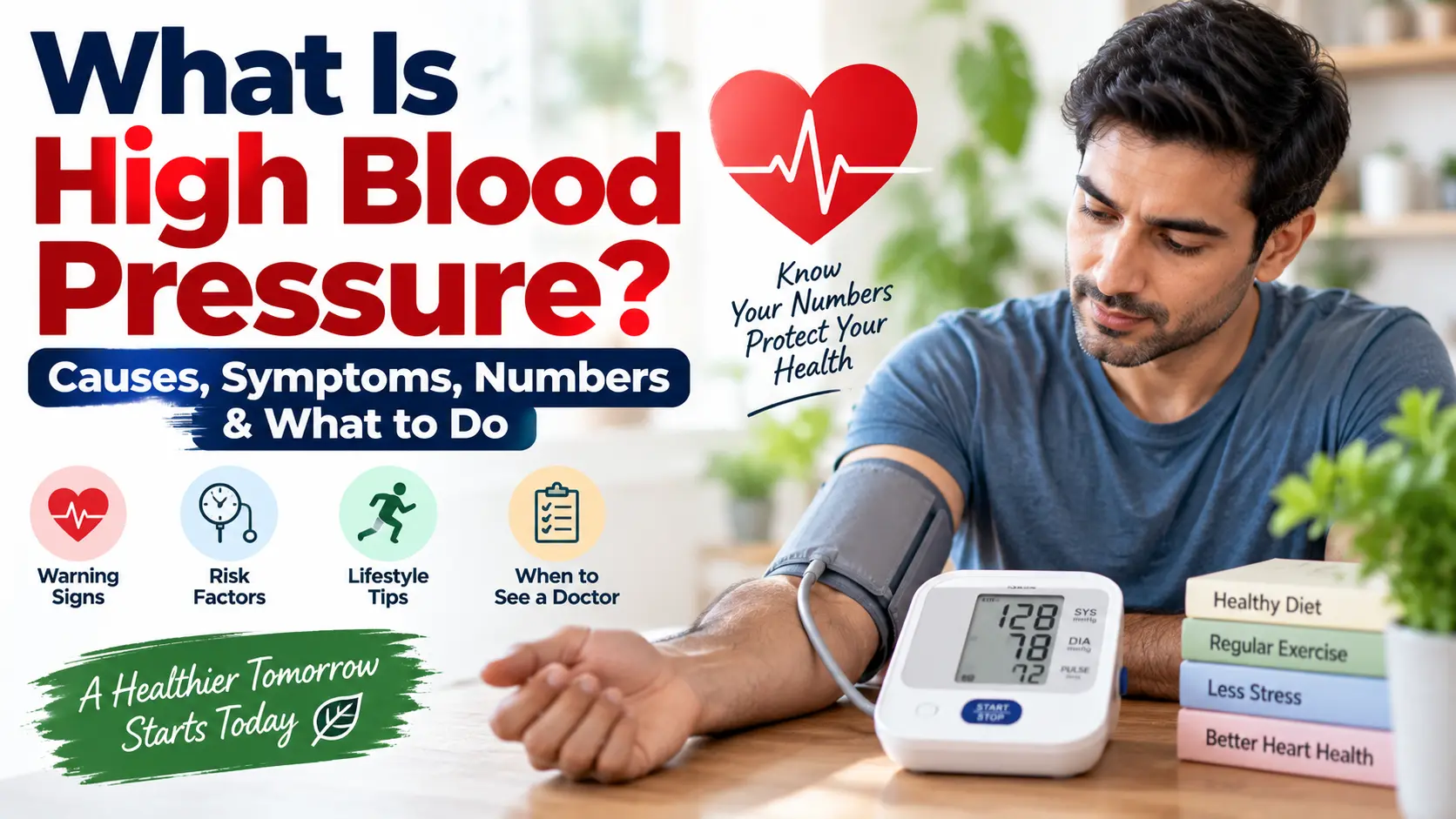
Can High Cholesterol Be Related to High Blood Pressure?
High cholesterol and high blood pressure are different conditions, but they can occur together.
Both can contribute to cardiovascular risk, and having multiple risk factors can increase the overall risk of heart disease and stroke.
That’s why knowing both your blood pressure numbers and cholesterol numbers can provide a more useful picture of your cardiovascular health than focusing on either one alone.
You can read our previous article:
What Is High Blood Pressure? Causes, Symptoms, Numbers & What to Do
How Often Should You Get a Cholesterol Test?
There isn’t one testing schedule that is appropriate for everyone.
Your healthcare professional may consider:
- Your age
- Family history
- Previous cholesterol results
- Blood pressure
- Diabetes
- Smoking
- Weight
- Other medical conditions
- Overall cardiovascular risk
The CDC recommends discussing your health history and appropriate testing frequency with your healthcare team.
If you’ve never had your cholesterol checked or you have significant family history of high cholesterol, consider discussing screening with a healthcare professional.
7-Day Heart-Healthy Habit Tracker
Instead of trying to change everything overnight, use a simple weekly tracker.
| Day | Activity | Vegetables/Fruit | Fiber-Rich Food | Sleep | Tobacco-Free |
|---|---|---|---|---|---|
| Monday | ☐ | ☐ | ☐ | ☐ | ☐ |
| Tuesday | ☐ | ☐ | ☐ | ☐ | ☐ |
| Wednesday | ☐ | ☐ | ☐ | ☐ | ☐ |
| Thursday | ☐ | ☐ | ☐ | ☐ | ☐ |
| Friday | ☐ | ☐ | ☐ | ☐ | ☐ |
| Saturday | ☐ | ☐ | ☐ | ☐ | ☐ |
| Sunday | ☐ | ☐ | ☐ | ☐ | ☐ |
This isn’t a treatment plan. It’s simply a practical way to become more aware of everyday habits that can support cardiovascular health.
Frequently Asked Questions
What is high cholesterol?
High cholesterol means that one or more blood lipid levels are higher or less favorable than recommended. LDL cholesterol is particularly important because elevated LDL can contribute to plaque buildup in arteries.
What are the symptoms of high cholesterol?
Most people with high cholesterol do not have symptoms. A lipid blood test is needed to know your cholesterol levels.
What is LDL cholesterol?
LDL stands for low-density lipoprotein. It is often called “bad cholesterol” because higher LDL levels can contribute to plaque buildup in arteries.
What is HDL cholesterol?
HDL stands for high-density lipoprotein. It is commonly called “good cholesterol” because it helps transport cholesterol toward the liver. However, HDL should not be considered independently when assessing cardiovascular risk.
What is the difference between LDL and HDL?
LDL transports cholesterol around the body and elevated levels can contribute to artery plaque. HDL helps transport cholesterol toward the liver. That’s why LDL is commonly called “bad” and HDL “good,” although your overall cardiovascular risk is more complicated than either number alone.
Can you have high cholesterol without symptoms?
Yes. In fact, most people with high cholesterol don’t experience obvious symptoms. Regular testing is therefore important for identifying elevated levels.
How can I lower my LDL cholesterol?
A heart-healthy eating pattern, regular physical activity, maintaining a healthy weight, avoiding tobacco, and limiting saturated fat can help support healthier LDL levels. Some people also require medication.
What foods should I eat if I have high cholesterol?
Emphasize vegetables, fruits, whole grains, beans, lentils, nuts, seeds, fiber-rich foods, and appropriate lean protein sources. Limiting foods high in saturated and trans fats is also important.
Can dietary fiber help cholesterol?
Fiber-rich foods are part of a heart-healthy dietary pattern and can be a useful part of an overall approach to cholesterol management. Foods such as oats, beans, lentils, fruits, vegetables, and whole grains can increase your dietary fiber intake.
Are cholesterol supplements a replacement for treatment?
No. Supplements should not be assumed to replace prescribed cholesterol treatment. The American Heart Association does not recommend dietary supplements as a general cholesterol-management strategy. Discuss supplements with a healthcare professional, especially if you take medications.
Final Takeaway
What is high cholesterol? It is an unhealthy level of cholesterol or other blood lipids that can increase cardiovascular risk, particularly when LDL cholesterol remains elevated.
The most important thing to remember is that high cholesterol usually has no obvious symptoms. You cannot reliably determine your cholesterol level by how you feel. A lipid blood test is the practical way to find out where your numbers stand.
If your cholesterol is elevated, don’t focus on one “miracle” food or quick fix. A combination of a heart-healthy eating pattern, regular physical activity, healthy weight management, avoiding tobacco, adequate sleep, and appropriate medical care can help support better cardiovascular health. For some people, medication may also be necessary.
Understanding your LDL, HDL, triglycerides, and overall cardiovascular risk is much more useful than focusing on a single cholesterol number.
Related Articles
- What Is High Blood Pressure? Causes, Symptoms, Numbers & What to Do
- What Is a Balanced Diet? A Simple Guide to Healthy Eating
- Dietary Fiber: Benefits, Food Sources, and How to Get More
- Physical Activity: Simple Ways to Stay Active and Support Your Health
- Healthy Sleep: How Much Sleep Do You Need Every Night?
- Stress Management: Simple Ways to Support Your Mental Well-Being
- Daily Hydration: How Much Water Should You Drink Every Day?
These internal links help connect the article naturally with your existing KOSHIKA AI health content.
References
- WHO — Dyslipidaemia
- CDC — Testing for Cholesterol
- CDC — LDL, HDL Cholesterol and Triglycerides
- CDC — Preventing High Cholesterol
- American Heart Association — LDL, HDL and Triglycerides
- American Heart Association — Prevention and Treatment of High Cholesterol
Health Disclaimer
This article is provided for general health awareness and educational purposes only. It is not intended to diagnose, treat, cure, or prevent any medical condition. Cholesterol targets and treatment decisions vary depending on individual health history and cardiovascular risk. If you have concerns about your cholesterol results or heart health, consult a qualified healthcare professional.
We share short 3D animated health videos on social media. Follow us to see them first.
This article is for general information only and is not medical advice. Please talk to a doctor about your own health. Read our disclaimer.

Written by vvk456
General health information only. Not a substitute for medical advice.

1 comment